Master healthy weight management with Ojasio's complete guide. Learn how to balance hormones, eat deliciously, and lose weight sustainably—whether you're in Bengaluru or Birmingham.
Discover the most practical nutritional advice for families. Learn how to construct meals that satisfy growing children, professional parents, and elders—all at the same table.
Build muscle and shred fat with Ojasio's definitive healthy diet for fitness guide. Learn exactly what to eat before and after training for maximum athletic results.
Discover how to lose weight fast with Ojasio. Cut through the internet noise and learn the genuine science of rapid fat loss and lasting physical transformation.
A clinical, no-nonsense strategy for men on how to lose belly fat forever. Discover the foods that trigger visceral fat storage and exactly how to reverse it.
Searching for exactly how to lose weight without starvation? This complete beginner's guide for women reveals the true science of hormonal balance and fat loss.
A clinical, life-changing diabetic diet guide. Discover how to balance blood sugar naturally and optimize insulin resistance without giving up traditional foods.
Navigating postpartum? Ojasio's clinical post pregnancy diet teaches you precisely how to eat to rebuild iron, boost lactation, and safely shift the weight.
The ultimate guide to intermittent fasting for weight loss. Learn exactly how men can leverage fasting to incinerate fat without risking muscle tissue.
Discover daily habits and foods that may help support healthy blood sugar and blood pressure levels. Learn how natural nutrition and proper wellness habits can contribute to your metabolic health.
Discover a premium, science-backed 7-day Indian vegetarian diet plan for PCOS along with global eating variations. Learn how to manage weight, balance hormones naturally, and feel energetic.
Learn how to lose weight without starving using a sustainable diet plan, home remedies, yoga, and workouts. Healthy fat loss made simple and effective.
Learn how to maintain a healthy lifestyle despite corporate jobs, night shifts, limited budgets, and lack of time. Practical, realistic, and actionable guidance for the modern worker.
Discover the most effective, nutrient-dense traditional Indian breakfast options meticulously designed to stabilize blood sugar, burn fat, and keep you energized.
The modern professional's roadmap to sustainable health. Learn to effectively manage PCOS, combat insulin resistance, and maintain a vibrant metabolism despite a demanding, high-stress career.
Join our private newsletter for clinical insights, hormone-balancing recipes, and evidence-based wellness protocols.
Complete Lifestyle Guide for Busy Professionals, Night Shift Workers, and Budget-Friendly Healthy Living
Complete Lifestyle Guide for Busy Professionals, Night Shift Workers, and Budget-Friendly Healthy Living
Lifestyle
Complete Lifestyle Guide for Busy Professionals, Night Shift Workers, and Budget-Friendly Healthy Living
Realistic, actionable wellness for the real world.
12 Min Read
Quick Expert Answer
The best diet plan for busy professionals and night shift workers focuses on blood sugar stabilization and strategic meal timing, not deprivation. According to Ojasio nutritionist Disha Arora, "To maintain health under high stress or night shifts, you must anchor your day with 20-30g of protein per meal, shift your heaviest meal to before your shift begins, and rely on high-fiber, low-glycemic foods to prevent energy crashes." A sustainable routine prioritizes sleep hygiene and 10-minute meal prep over complex cooking.
Introduction
"You don't need a perfect schedule to be healthy. You just need a strategy that bends to fit your reality."
We are constantly told to sleep 8 hours, eat fresh home-cooked meals 3 times a day, and exercise daily. But let’s be honest: if you work a 10-hour corporate desk job, rotate through night shifts, or are navigating life on a strict budget, that "textbook" advice often feels like an impossible luxury. You might feel fatigued, overwhelmed, and guilty for relying on quick fixes or skipping meals altogether.
This guide is not about perfection. It’s about adaptation. Whether you have zero time to cook, an unpredictable schedule, or financial constraints, maintaining a healthy lifestyle is achievable when you focus on practical, realistic adjustments rather than idealistic goals.
What is a Healthy Lifestyle in Today’s World?
Forget the magazines. In today’s fast-paced world, a healthy lifestyle doesn't mean eating kale salads on a beach. It means having the energy to get through your workday without crashing at 3 PM. It means your hormones are balanced so you can sleep soundly when you finally hit the pillow. It means having a functional immune system, a clear mind, and an approach to food that doesn't cause you chronic stress.
Adapting your health journey to fit your real, everyday life.
Lifestyle Pros and Cons
The impact of your daily habits compound over time. Here is what happens under the surface:
• Hormones: Balanced cortisol and insulin leading to stable moods.
• Energy: Sustained vitality throughout the day without caffeine dependency.
• Mental Health: Reduced anxiety, sharper focus, and better resilience to stress.
Cons of Poor Habits
• Metabolism: Sluggish digestion, insulin resistance, and stubborn fat.
• Hormones: High cortisol, disrupted melatonin, and reproductive issues.
• Energy: Constant lethargy, afternoon crashes, and brain fog.
• Mental Health: Increased irritability, heightened stress, and depressive moods.
Do’s and Don’ts
The Do's
Hydrate early: Drink two glasses of water before your first coffee.
Protein first: Anchor your first meal with solid protein (eggs, paneer, lentils) to stabilize blood sugar.
Incidental movement: Take stairs, walk while on calls.
Protect sleep: Keep your room cool and dark, no matter what time you sleep.
The Don'ts
Don't skip meals: It destroys your metabolism and leads to severe binge eating later.
Avoid junk dependency: Don't rely on sugary biscuits or chips for energy.
Don't skimp on sleep: Irregular sleep wreaks havoc on your insulin sensitivity.
Don't drink calories: Avoid sugary sodas and heavily sweetened teas/coffees.
Corporate Professionals Lifestyle Guide
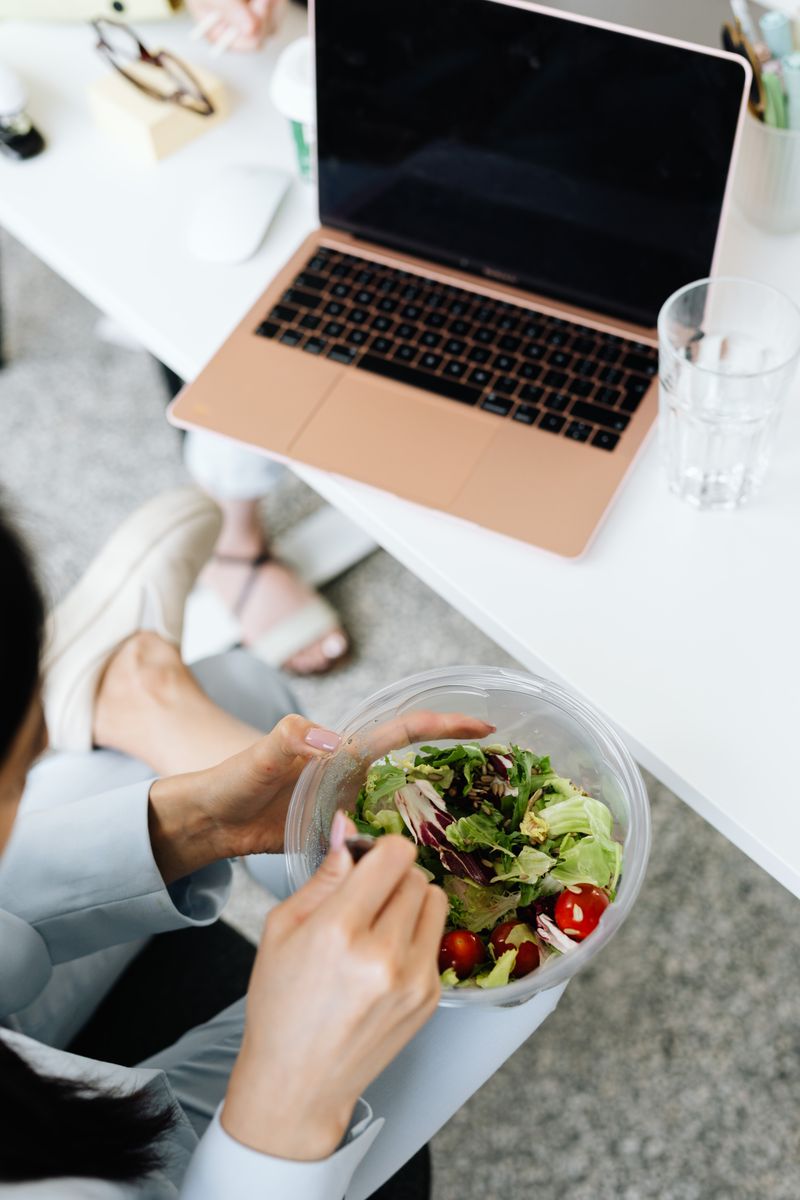
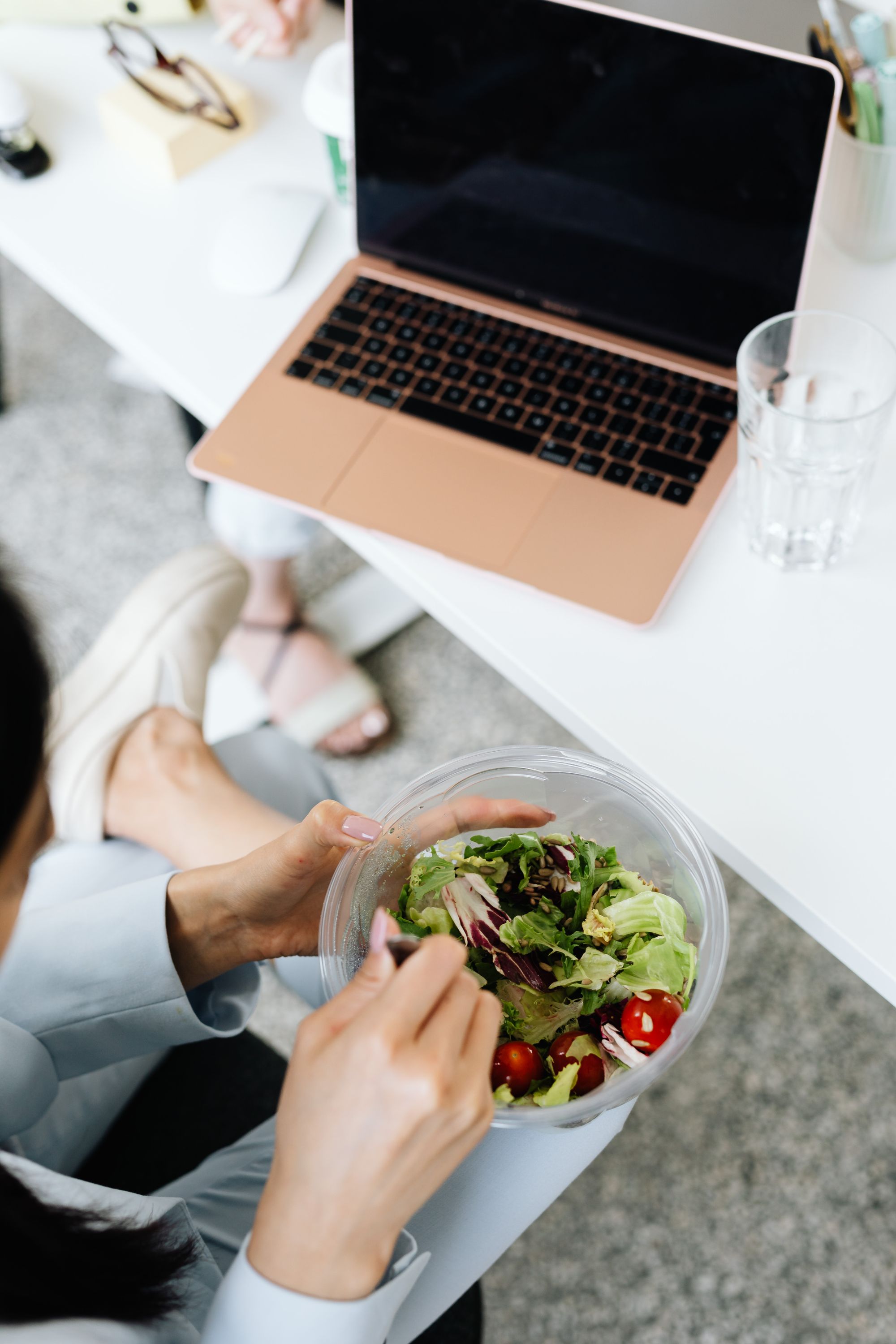
The Problem: Long sitting hours, high stress, and irregular meal timings due to back-to-back meetings.
The Solution:
Meal Timing: Do not let more than 4-5 hours pass without eating. If a meeting runs late, have a small handful of almonds ready at your desk.
Office Snacks: Stock your drawer with roasted makhana (fox nuts), murmura (puffed rice), roasted chana, unsalted peanuts, or protein bars.
Hydration: Keep a 1-liter bottle on your desk. Make it a rule to finish it before lunch, and refill it for the afternoon.
Movement: Implement the 50/10 rule. Sit for 50 minutes, stand/walk/stretch for 10 minutes.
Night Shift Lifestyle Guide
The Problem: Circadian rhythm disruption, poor digestion at night, hormonal imbalance, and poor daytime sleep quality.
The Solution:
Meal Timing: Eat your "main" heavy meal before your shift begins (around 7-8 PM). During the night shift, your digestion slows down naturally.
What to eat during the shift: Stick to light, warm, and easily digestible foods. Think soups, a small portion of dal-rice, or a protein shake.
Foods to avoid: Heavy, greasy fast food, excessively sugary energy drinks, and heavy dairy which will trigger acid reflux.
Sleep Recovery: When you get home, wear sunglasses if the sun is up. Make your bedroom pitch black. Eat a very light carbohydrate snack (like a banana or plain toast) to naturally boost serotonin and help you sleep.
Structured habits make unconventional schedules manageable.
For People Who Can’t Cook at Home
Not everyone has the time, energy, or facilities to cook elaborate meals. You can still eat healthy on the go.
Smart Outside Choices: Opt for grilled, baked, or steamed over fried. Choose a chicken salad, paneer tikka, idli, or a simple thali (skip the heavy gravies) instead of cheesy pastas or burgers.
No-Cook Meals: Mix Greek yogurt with fruits and nuts. Create a sprouted moong salad (buy sprouts ready-made). Hummus with carrot/cucumber sticks.
Ready-to-Eat Nutritious Ideas: Keep hard-boiled eggs (if possible), pre-cut fruits, unsweetened peanut butter on whole wheat bread, or a high-quality whey protein powder handy.
Budget-Friendly Nutrition Guide
Healthy eating does NOT have to be expensive. You don't need avocados, salmon, or chia seeds to be fit. Local, traditional foods are incredibly powerful.
Cheap but Nutritious Indian Foods
Sattu (roasted gram flour) is the ultimate cheap protein. Moong dal, eggs, locally sourced seasonal greens (palak, methi), and dahi (curd).
Protein on a Budget
Eggs, soya chunks, locally sourced paneer, black chana, rajma, and lentils. Milk is also a highly affordable complete protein.
Smart Grocery Planning
Buy seasonal fruits and vegetables—they are cheaper and more nutritious. Buy grains and pulses in bulk. Skip the packaged "diet" snacks; they are overpriced and highly processed.
Affordable, accessible local foods are the foundation of good health.
Special Focus Sections
🤰 Pregnant Women
Focus on simple, safe, and nutritious habits. Prioritize folic acid (dark leafy greens, lentils), iron, and calcium. Do not restrict calories, but manage portions to avoid drastic sugar spikes. Snack on soaked almonds, walnuts, and fresh fruits. Stay highly hydrated.
👦 Kids & Growing Children
Children need dense energy and healthy fats for brain development. Include ghee, full-fat dairy, eggs, and nuts. Don't frame foods as "good" or "bad"; teach them balance. Hide veggies in parathas, sauces, or soups if they are picky eaters.
Sample Daily Routines
The Office Worker
7:30 AM:Warm water
8:30 AM:High protein breakfast
11:30 AM:Nuts and green tea
1:30 PM:Balanced lunch
5:00 PM:Roasted chana/fruit
8:30 PM:Light dinner
The Night Shift Worker
4:00 PM:Hydrate, movement
5:00 PM:"Breakfast" meal
8:30 PM:Main heavy meal
1:00 AM:Light digestable snack
4:00 AM:Clear soup/shake
7:30 AM:Very light carb snack
Final Thoughts
Health is not reserved for the wealthy or the people with endless free time. It is a daily practice of making the *slightly better* choice within your current circumstances. Take control of what you can, and forgive yourself for what you can't.
Real Experiences
"Working 12-hour shifts in IT had ruined my sleep architecture and digestion. Disha Arora's night shift protocol completely reversed the damage. I no longer feel drained during the day."
Akash Menon
Bangalore, India
Start your own healing journey.
Speak with our clinical nutritionists today and get a protocol engineered specifically for your body.